
This project-based course is designed to give students the opportunity to explore a particular scientific topic or issue that interests them and to use this as an integration of the learning they acquired in the Science Program. Students will devise their own project which will involve at least two scientific disciplines. The instructor will approve the project, ensuring that it meets the course objectives and that the proper resources are available to make it feasible.
Students will then carry out their project using rigor and safety. Once completed, they will present their results, making sure to have clear and well-organized ideas. Finally, students will reflect on their learning process and on their contribution to teamwork.
- Teacher: Diana Bellows

The focus of this course is to explore how existing computer technologies can be applied to natural sciences. Designed for students without specific computing knowledge, this course will introduce programming concepts, as well as expose students to a spreadsheet program. The students will then use these tools to acquire, extract, analyze, and report scientific information.
This course is mandatory for all profiles. It constitutes a prerequisite for the following courses: Experimental Physics, Integrative Project in Science. It is also a corequisite for Astronomy and Astrophysics.
- Teacher: Mohamed Kandil
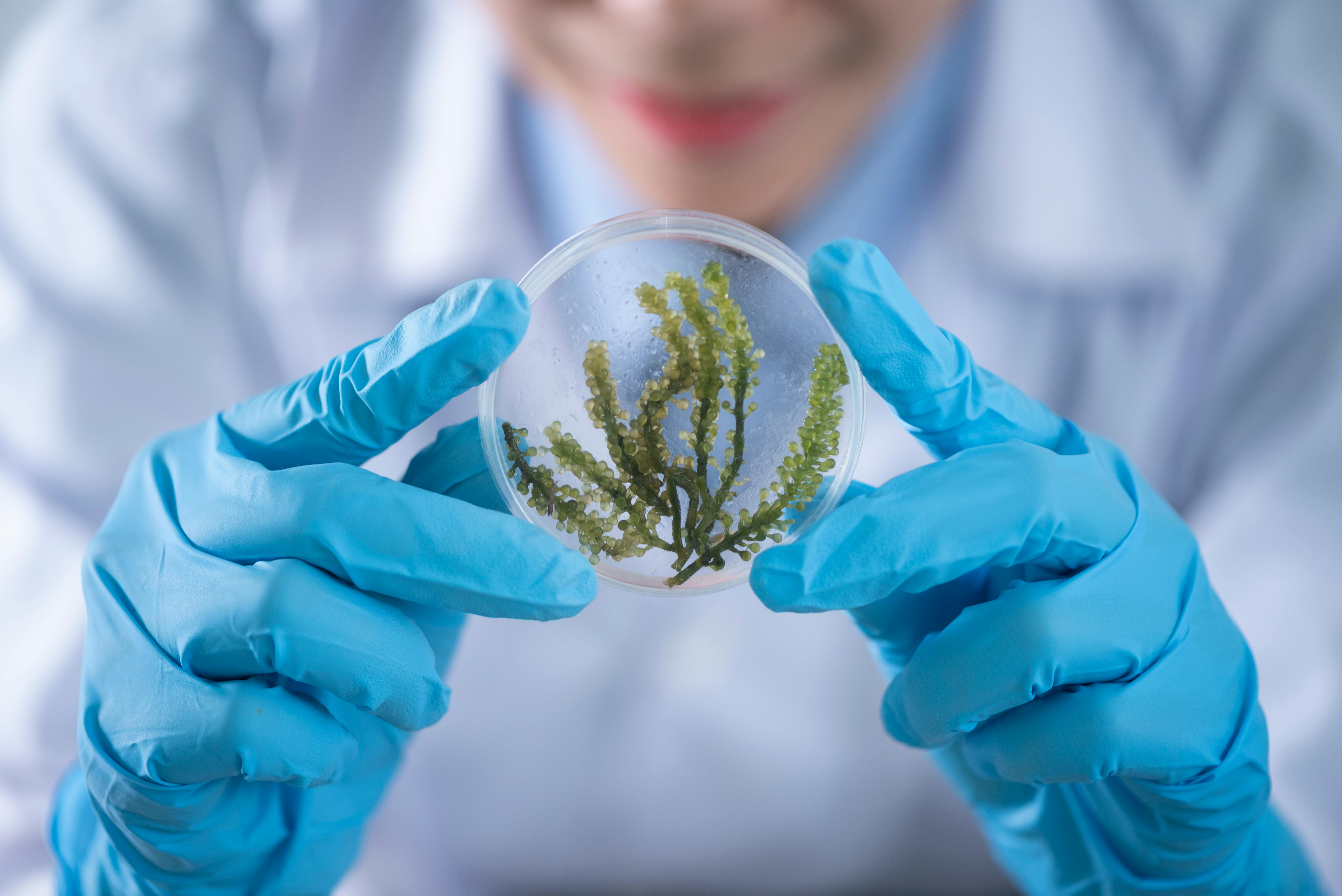
General Biology II emphasizes the relationship between the structure and function of living organisms, and how the resulting complex cellular processes contribute to the maintenance of homeostasis. The regulation and integration of these processes at both the cellular and whole organism level will be examined.
- Teacher: Trevor Scott
- Teacher: Pier-Anne Belanger
- Teacher: Trevor Scott